







Search Results for: Coffee Bean Recipes
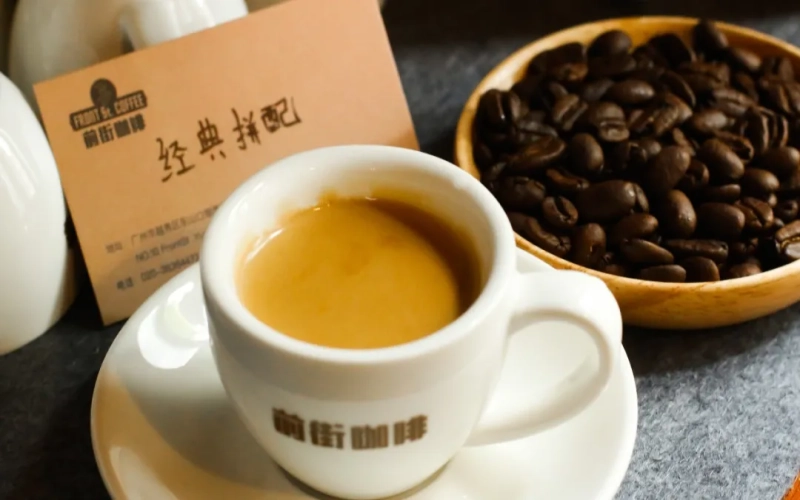
How to Choose Espresso Blend Coffee Beans? A Full Analysis of Front Street Coffee's Three Blends, Recipes, and Price Positioning
Blending coffee beans is not simply mixing several single-origin beans together; rather, it is through the blender's understanding of flavor that coffee beans from different origins complement each other's strengths and weaknesses, ultimately producing an espresso with stable flavor and balanced taste. This article will start with three espresso blend recipes from Front Street Coffee, introducing the bean combinations, roasting performance, and flavor characteristics of the specialty blend, commercial blend, and dark cocoa base blend respectively, while also discussing the popularity trend of SOE single-origin espresso and its advantages and disadvantages. Whether you are a coffee enthusiast or a practitioner preparing to open a shop, you can find a suitable direction for choosing blended beans. [more…]
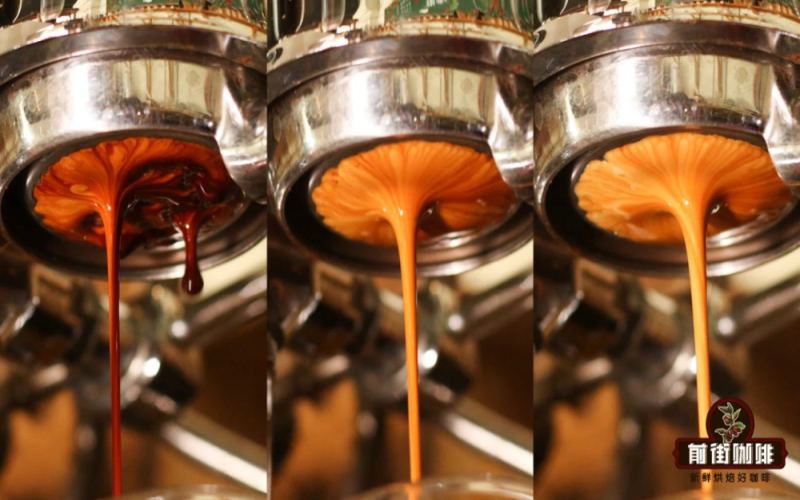
Front Street Coffee's Four Italian-Style Blend Beans Flavor Analysis: A Comprehensive Overview from Raw Blends and Roasted Blends to SOE and Classic Recipes
The development of espresso blends has undergone an evolution from traditional dark-roasted blends with Robusta beans to modern specialty blends. In this article, Front Street Coffee systematically sorts out the core logic of espresso blending: why blending is necessary, the respective advantages and disadvantages of blending green beans versus blending roasted beans, the rise and limitations of the SOE trend, and provides a detailed introduction to four representative espresso blend recipes—Front Street Specialty Blend, Front Street Commercial Espresso Blend, Front Street Dark Cocoa Blend, and Front Street Strawberry Candy Espresso Blend—covering the flavor characteristics and roasting approaches of beans from origins such as Colombia Huila, Brazil Cerrado, Yunnan AA, and Indonesia Mandheling, and finally attaching ratio instructions for espresso, latte, cappuccino, flat white, and other fancy coffee drinks, providing coffee enthusiasts and industry professionals with a complete framework for understanding blending. [more…]

A Detailed Guide to Espresso Blend Formulas: Flavor Characteristics, Buying Tips, and Recommendations of Front Street Coffee's Popular Recipes
Espresso is renowned for its rich and full-bodied character; even when diluted with milk or water, its coffee flavors remain clearly distinguishable. Because espresso machines use pressurized extraction with a shorter brewing time, they are better suited to freshly blended beans of medium-dark roast, which provide both ample crema and a wealth of roasty aromas, making extraction twice as effective with half the effort. If you want espresso that tastes good without being expensive, a blend is the first choice; if you're after a standout single-origin espresso expression, you can try an SOE. All Front Street Coffee beans are freshly roasted within 5 days, offering consistent quality and affordable prices, with shipping within 24 hours—whether you're a beginner, an advanced enthusiast, or opening a shop, you'll find a suitable option. Below, we introduce Front Street's four most popular espresso recipes and share key points for choosing fresh coffee beans. [more…]
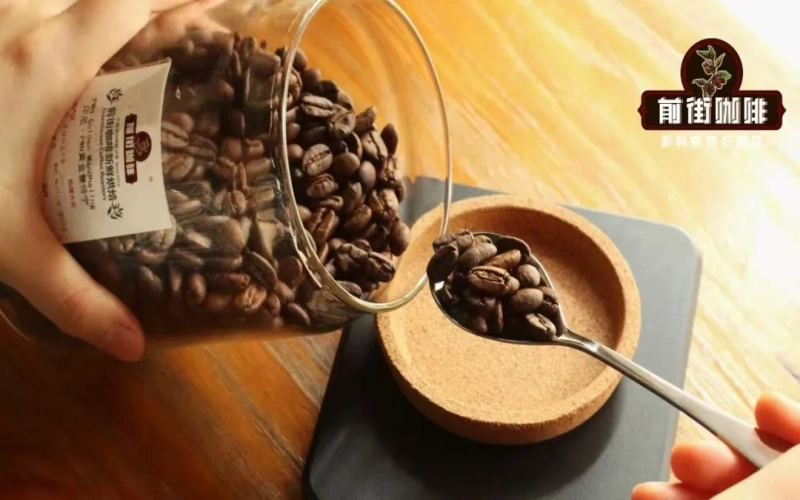
How Should You Blend Coffee Beans? A Purpose-Driven Guide to Pre-Roast and Post-Roast Blending with Front Street Coffee's Practical Recipes
Blending is not simply mixing a few beans together; it can both deliver consistent output and create entirely new flavor experiences where one plus one is greater than two. This article begins with the purpose of blending, explains how to select base beans and ratios according to the desired flavor or mouthfeel, and points out that similar roast levels are the key to successful blending. It also draws on two products—Front Street Coffee Strawberry Candy · Geisha Blend and Front Street Coffee Strawberry Candy · Espresso—to break down the differences between pour-over blends and espresso blends in bean selection and roasting, and finally includes adjustment ideas for brewing parameters and two sets of blending recipes commonly used by Front Street Coffee, for coffee lovers to reference and practice. [more…]
Can Blended Coffee Beans Be Used for Pour-Over? A Detailed Explanation of Blending Philosophy and Three Classic Recipes
Blended coffee beans usually appear in espresso, and are relatively rare when used for pour-over. So, is blended coffee actually good for pour-over? This article starts with the concept, clarifying the differences between espresso beans, SOE, and pour-over beans, and explaining that blends are not synonymous with low quality. Since launching the Sunflower Warm Sun blend in 2019, Front Street Coffee has continued to vindicate blends. The article also shares, from a roaster's perspective, three blend recipes suitable for pour-over: Mamba Blend, Deep Love Honey Sweetness, and Flowers and Fruit in Harmony, respectively combining Mandheling with Brazil Red Bourbon, Yirgacheffe Red Cherry with Costa Rica Tarrazu, and Guatemala La Flor with Yirgacheffe and Kenya AA, demonstrating the unique value of blends in flavor complementarity. [more…]
What coffee beans should you choose for cold brew coffee? The truth about flavor, mouthfeel, and bitterness, plus four Front Street Coffee recipes to share
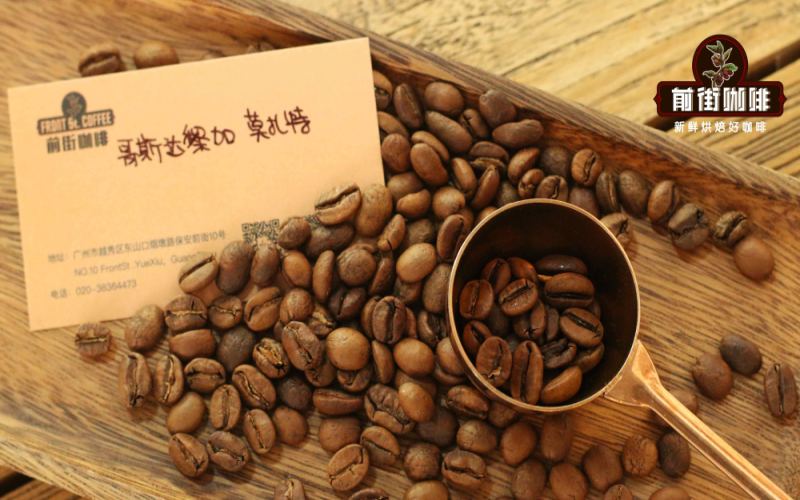
What coffee beans are suitable for cold brew coffee? This is a question often asked by customers who come to the shop. This installment of the Barista Development Diary revolves around this topic, first introducing the equipment, coffee-to-water ratio, grind size, flow rate, and extraction time parameters used by Front Street for making cold brew coffee, then explaining that in theory any single-origin pour-over beans can be used for cold brew. After that, it shares four cold brew recipes that Front Street often makes: Costa Rica Mozart brings dark berry and alcoholic fermentation notes, Kenya Small Tomato presents a refreshing juicy feel, Indonesia Golden Mandheling breaks the misconception that dark-roasted cold brew must be bitter, and the Sherry and Beethoven blend interweaves whisky aroma with vanilla cream. At the end, it also encourages everyone to experiment more according to their own taste. [more…]
How to Choose Beans for Pour-Over Blend Coffee? A Full Analysis of Three Great-Tasting Recipes and Their Flavor Characteristics
Blended coffee beans commonly appear in espresso, but are rarely seen in pour-over. So, are blended beans actually tasty when extracted by pour-over? Starting from the concept of blended coffee beans, this article clarifies the relationships between espresso beans and pour-over beans, and between blends and single origins, explaining that a blend is not synonymous with low quality—the key lies in the blender's purpose and recipe design. The article also shares the experience of Front Street Coffee's own roasted Sunflower Warm Sun blend, and provides three pour-over-friendly blend recipes—Mamba Blend, Deep Affection, and Floral-Fruity Harmony—describing each one's flavor performance to help coffee lovers understand how to choose and combine beans to make a delicious pour-over blend. [more…]
A Detailed Guide to Espresso Blend Coffee Bean Recipes: From Raw Blending and Roasted Blending to Front Street Coffee's Three Classic Blend Options
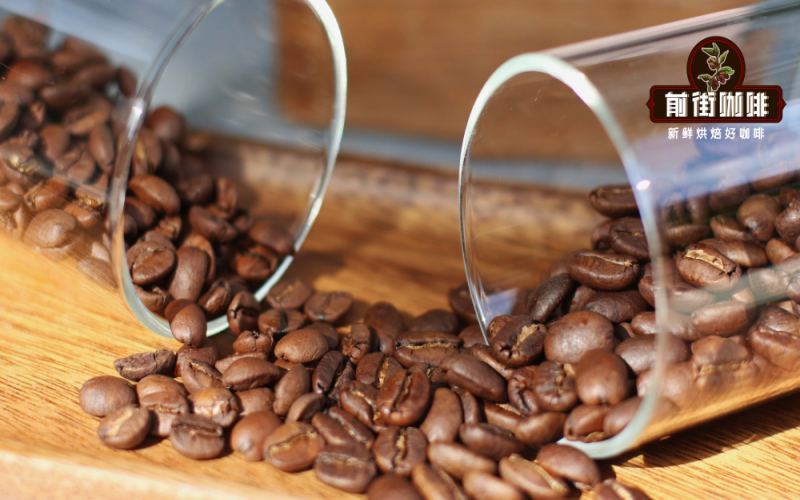
Blending coffee beans means mixing single-origin coffee beans from different regions in certain proportions, so that their respective strengths complement or reinforce one another, resulting in a more balanced and stable flavor expression. This article revolves around the core logic of espresso blending, first explaining the trade-offs between the two processes of raw blending and roasted blending, then sharing three representative recipes from Front Street one by one: Specialty Blend (Colombia Huila × Brazil Cerrado), Commercial Espresso Blend (with Robusta added), and Basic Espresso Blend (Yunnan AA × Brazil). The article records in detail the altitude, variety, processing method, and roasting approach of the beans from each origin, and gives the flavor direction and applicable scenarios after blending, making it suitable as a reference for coffee enthusiasts and people opening shops. [more…]
Espresso Blend Recipes and Brand Analysis: A Flavor and Price Guide to Front Street Coffee's Three Espresso Beans
The recipe design of espresso blend coffee beans directly determines the flavor direction and crema performance of espresso. This article focuses on three representative espresso blends from Front Street Coffee (FrontStreet Coffee), analyzing the bean composition, roast level, flavor characteristics, and suitable scenarios of the specialty blend, commercial blend, and dark cocoa blend respectively, and explaining the role of Robusta beans in blending. It also introduces the roasting background of the Front Street brand in Guangzhou, as well as the price advantage of the commercial blend at approximately 60 yuan for a 454-gram package, which works out to less than 1.5 yuan per cup based on 10 grams of grounds per cup, providing a highly cost-effective option for cafe owners and home users. [more…]
A Complete Guide to Espresso Blend Coffee Beans: From Raw and Roasted Blending to Classic Recipes and Flavor Pairing
The essence of espresso often lies in the blend—skillfully combining coffee beans of different varieties or roast levels so that their flavors complement one another. This article systematically explains the two blending processes for blend beans (pre-roast blending and post-roast blending), the differences in resting time, and the three main approaches to blending coffee: using a base bean as the core, combining beans with opposite characteristics, and blending similar beans while adding distinctive flavors. It also provides classic espresso recipe ratios for three types—bright and acidic, balanced, and bitter-leaning—and mentions recommendations from the Front Street brand. Whether you are a coffee enthusiast or a professional, you can find practical blending inspiration here. [more…]

A Comprehensive Analysis of 30 Classic Specialty Coffee Recipes: Espresso Bases and Global Signature Brewing Methods
The world of fancy coffee is far more than just lattes and cappuccinos. Starting from the rich base of Italian espresso, adding milk, cream, chocolate, liqueur, or even fire, you can create dozens of drinks with distinct flavors. This article systematically organizes the preparation methods and recipes for 30 classic fancy coffees, covering diverse styles such as Italian, French, Viennese, Irish, and Turkish. Each drink includes detailed ingredients, steps, and key points to watch. Whether you want to recreate a café au lait at home or try igniting brandy to make a royal coffee, this guide provides clear operational references. At the end, there are also Front Street Coffee bean recommendations to help you choose the right base and get twice the result with half the effort. [more…]
How Do Arabica Beans Shape Espresso Blend Flavors? A Full Analysis of Front Street Coffee's Three Classic Recipes and Blending Logic
The flavor profile of espresso is, to a large extent, determined by the Arabica varieties and their proportions in a blend. Blending is not simply mixing; rather, through raw blending or roasted blending, it allows the acidity, bitterness, sweetness, and body of beans from different origins to complement one another, ultimately forming a balanced and stable taste. Starting from three recipes—Front Street Specialty Blend, Commercial Espresso Blend, and Basic Espresso Blend—this article breaks down the respective flavor roles of Colombia Huila, Brazil Cerrado, Robusta, and Yunnan AA, and explains how roasting methods and the primary-secondary relationship in blending affect the final performance of a cup of Espresso. [more…]

Making Boozy Coffee at Home: 10 Alcoholic Coffee Drinks with Recipes and Methods
Want to find a balance between a gentle buzz and staying clear-headed? Spiked coffee is becoming a new choice for many young people. When you're tired during the day, a hint of alcohol helps relax your nerves; after work at night, a warm alcoholic coffee soothes body and mind; and when the weather turns cold, it brings warmth from the inside out. This article compiles 10 alcoholic coffee recipes suitable for making at home, from simple convenience-store mixes to creative versions with milk foam, and to specialty cocktail coffees with a stronger alcoholic kick, covering pairings with various base spirits such as Baileys, whiskey, gin, brandy, and rum. When making them, there's no need to be rigid—just adjust the amount of alcohol to your personal preference—but be sure to drink in moderation according to your own condition, minors are prohibited from drinking alcohol, and drunk driving is strictly forbidden. At the end of the article, there is also a communication channel for Front Street Coffee (FrontStreet Coffee), making it convenient for coffee lovers to discuss further. [more…]
Espresso Blend Recipes and Extraction Parameters Explained: Dose-to-Yield Ratio, Grind Size, and Time Control
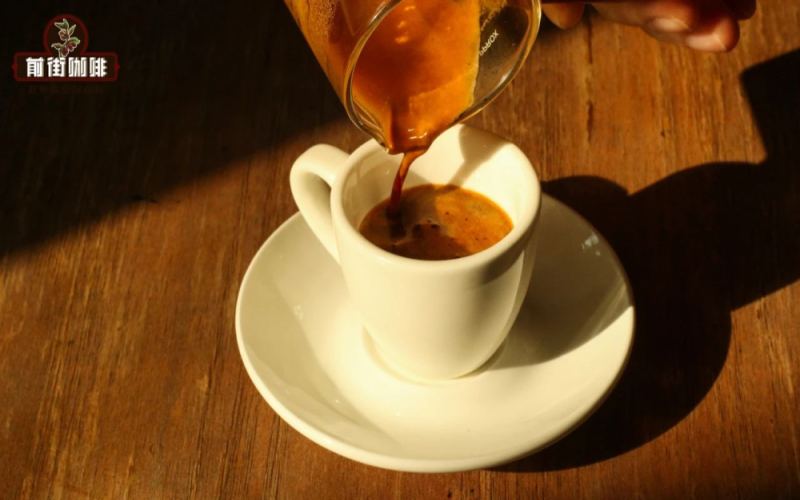
To make espresso with rich crema and a full-bodied mouthfeel, the key lies not only in the machine, but even more in the bean blend recipe and roast level. Front Street Coffee has long insisted on fresh roasting, offering coffee beans that have been rested for two to three days so the flavors are fully released. This article systematically compiles six Front Street espresso blend options, covering balanced, bitter, acidic, winey, specialty, and basic styles, and explains in detail parameters such as the coffee-to-water ratio, grind size, and extraction time. It also shares key points for selecting blend beans: removing defective beans and understanding the differences in bean variety characteristics and roast levels. Whether you are a coffee enthusiast or a shop operator, you can find an espresso bean solution and extraction approach suitable for daily serving. [more…]
How to drink cold brew coffee for maximum flavor? A detailed explanation of the underlying fermentation principles and three Front Street concentrate recipes.
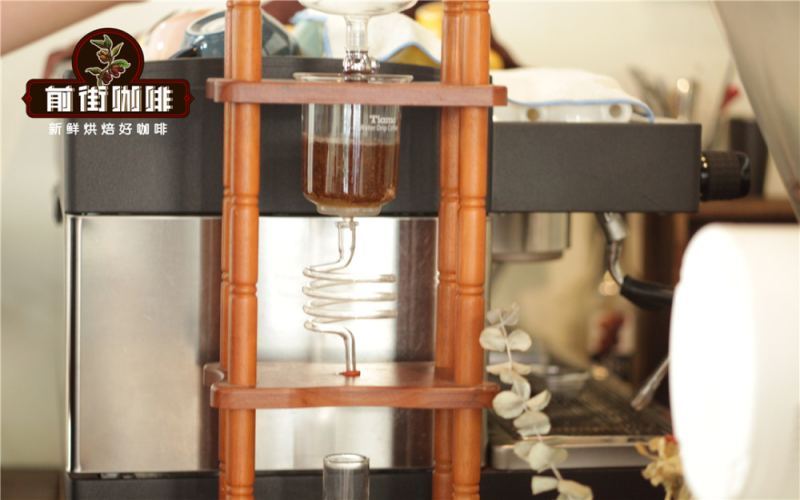
Cold brew coffee is a method of extracting coffee with ice water at low temperatures, completely different from regular pour-over. It originated from the invention of the Dutch on the island of Java in the 17th century, using condensed water pressure to drip through coffee grounds one drop at a time, taking up to 8 hours. Cold brew coffee has a unique flavor and needs to be refrigerated and fermented after extraction, reaching its best state on days 3 to 7, with a complex aroma reminiscent of fermented rice wine. This article explains in detail the steps for making cold brew coffee, key points for fermentation and storage, and shares three cold brew recipes commonly used by Front Street Coffee—dark berry type, light and clean type, and sweet and delicious type—to help you easily make a delicious cold brew suitable for summer. [more…]
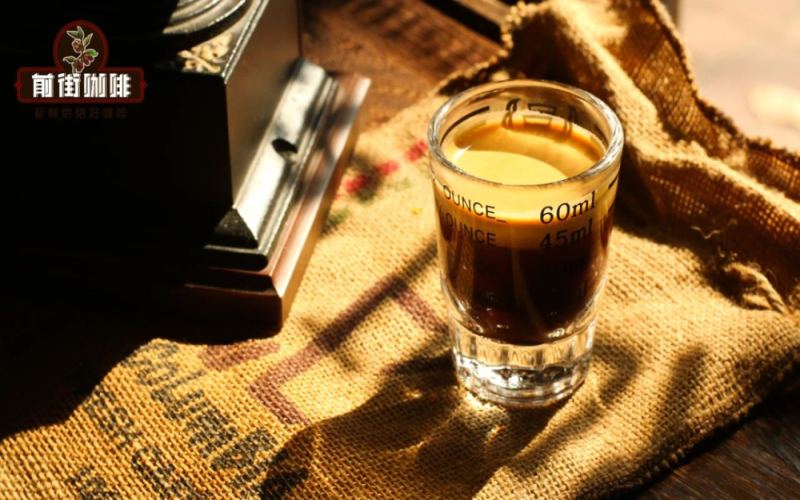
The Blending Principles and Techniques of Espresso Blend Coffee Beans: From Pre-Roast and Post-Roast Blending to an Analysis of Three Front Street Coffee Recipes
Espresso blends are not made by casually mixing several kinds of beans together, but rather by purposefully harmonizing them according to origin flavors, processing methods, and roasting curves. Starting from the definition and purpose of blending, this article explains the difference between raw blending and roasted blending, explains how blending stabilizes flavor and balances mouthfeel, and sorts out the advantages and limitations of single-origin espresso under the SOE trend. It then takes three Front Street Coffee espresso blend recipes as examples, analyzing one by one the origin characteristics, roasting approach, and final cup performance of components such as Colombian Huila, Brazilian Cerrado, Robusta, and Yunnan AA, helping shop owners and home users choose according to their needs. [more…]
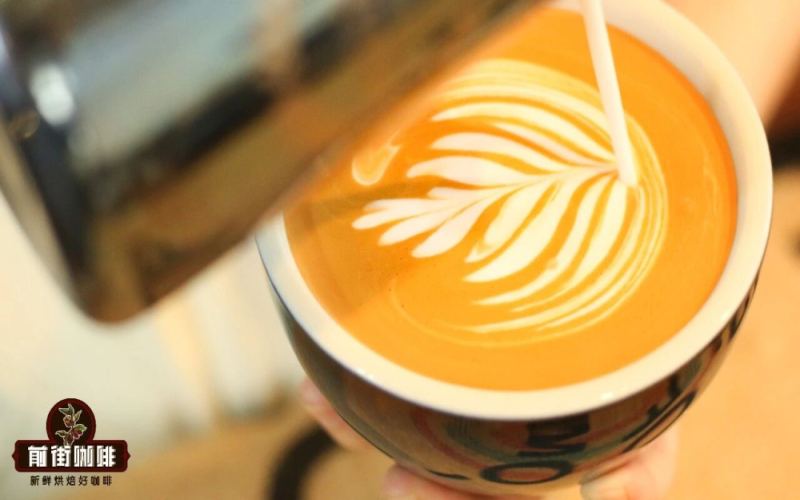
Making Osmanthus Coffee at Home in Autumn: A Detailed Guide to Three Recipes—Americano, Latte, and Caramel Crème Brûlée Latte
The autumn breeze brings refreshment, and the fragrance of osmanthus fills the air—it's once again the season best suited for incorporating osmanthus into coffee. This year, Front Street Coffee has brought a richer lineup of osmanthus coffee recipes than in previous years, including the easy-to-make osmanthus Americano and osmanthus latte, as well as the more elaborate yet stunningly layered osmanthus version of the caramel crème brûlée latte. This article will explain one by one the required ingredients, the approach to selecting coffee beans, and the detailed preparation parameters and precautions for the three beverages. It will also address common questions such as whether osmanthus can be placed directly into the coffee machine for extraction and how to prevent osmanthus from turning bitter. Whether you prefer a refreshing, sugar-free Americano or are devoted to a rich, creamy latte, you'll be able to find the cup that suits you to recreate at home. [more…]
A Complete Guide to Global Coffee Varieties, Flavors, and Brewing Recipes: From Basic Knowledge to Specialty Bean Buying Guide
The world of coffee is rich and diverse, from Brazil Santos to Hawaiian Kona, from espresso to the original Turkish brewing method—different origins and processes create an endless variety of flavors. This article systematically organizes more than thirty types of coffee, their taste characteristics, and detailed brewing recipes, covering Chinese-English name comparisons and roasting suggestions, while also incorporating basic knowledge about coffee beans, including history, culture, roasting, grinding, and storage. Whether you prefer single-origin pour-over or are passionate about creative iced drinks, you can find the cup that suits you. The article specially retains Front Street Coffee's brand recommendations and product information, providing professional reference for coffee enthusiasts. [more…]
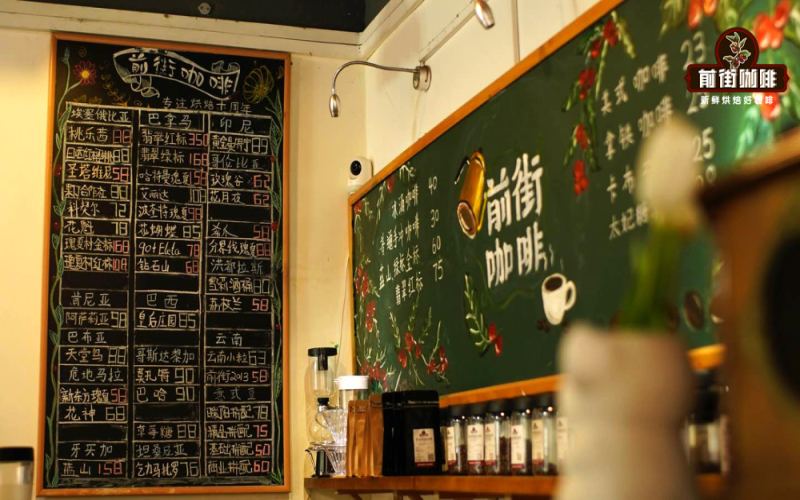
The Blending Logic and Advantages of Italian-Style Espresso Blend Coffee Beans: Examining the Trade-Offs Between Single-Origin and Blended Beans Through Front Street Coffee's Four Recipes
Blending coffee beans is not a simple mixture, but rather a mutual complementation of beans from different origins, varieties, and processing methods to achieve flavor balance and annual consistency. Starting from four espresso blends from Front Street Coffee, this article sorts out the purpose of blending, the differences between pre-roast blending and post-roast blending, and the roles of bean varieties such as Colombian Huila, Brazilian Cerrado, Robusta, and Yunnan AA in the recipes. At the same time, it compares single-origin beans with the SOE that has become popular in recent years, explains why espresso blend beans are more suitable for making Espresso, lattes, and cappuccinos, and provides specific ratios, roasting ideas, and flavor descriptions. [more…]
The Complete Guide to Cold Brew Coffee: Low-Temperature Extraction Principles, Brewing Steps, and Three Classic Front Street Coffee Recipes
Cold brew coffee is a brewing method that uses cold water for low-temperature extraction over a long period of time, producing a full, smooth, non-astringent and rounded cup with lower caffeine content than other brewing methods. Its history can be traced back to the Dutch invention on the island of Java in 1699, and today it has become a highly sought-after drink among coffee lovers in summer. This article will systematically introduce the origin of cold brew coffee, the extraction principle, the differences from pour-over coffee, detailed preparation steps and key points for controlling the drip rate, and share three cold brew recipes often used by Front Street Coffee — the dark berry type, the clean and crisp type, and the sweet and pleasant type — while also explaining the best drinking period and storage recommendations for cold brew coffee. [more…]